
The Fundamentalist Challenge: “In Whom Do You Put Your Trust?”

A reflection on confession, trust, and the mercy of Christ through His Church
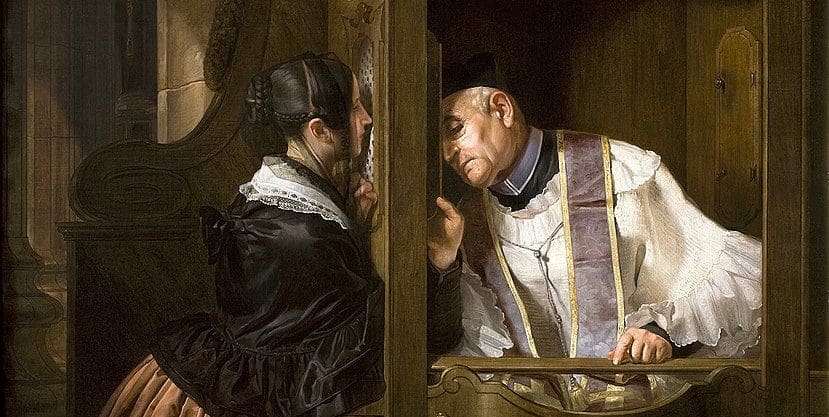
I want to start this post where this whole series really began for me.
It wasn’t in a book. It wasn’t in RCIA. It wasn’t even in prayer.
It was in a conversation.
A well-meaning fundamentalist Christian once asked me a question that sounded simple, biblical, and honestly… a little unsettling:
“When the Church tells you that a priest can forgive you of your sins, and Jesus tells you that God is the only one who can forgive sins, in whom do you put your trust?”
He wasn’t angry. He wasn’t mocking. He was confident.
And that’s what made the question land so heavily.
How Cradle Catholics Drift—Quietly
Most of us didn’t walk away from the Church. We didn’t reject confession outright. We didn’t stop believing that God forgives sins.
But statements like that—repeated often enough—can plant a seed.
We start to think: “Well, I’ll still go to confession… but I don’t really need it.”
“God knows my heart.” “I can confess directly to Jesus.”
And suddenly confession becomes optional. Inconvenient. Something we avoid unless things get really bad.
This isn’t rebellion. It’s confusion mixed with sincerity.
And it’s exactly where Dr. Scott Hahn once found himself.

What a Convert Like Scott Hahn Discovered
Scott Hahn didn’t grow up Catholic. As a Protestant pastor and Scripture scholar, he genuinely believed confession to a priest took something away from God.
So when Hahn began wrestling with this issue, he asked a better question:
“What has God always done?”
And that question took him all the way back—to the Old Testament.
What the Old Testament Jews Were Actually Taught
For God’s people, forgiveness was never vague or invisible.
When someone sinned, God commanded something very specific:
Sin had to be acknowledged, confessed out loud, brought to the priest, atoned for through God’s appointed means.
Not because priests replaced God—but because God chose to work through them.
How Jesus Perfected Atonement, Not Abolished It
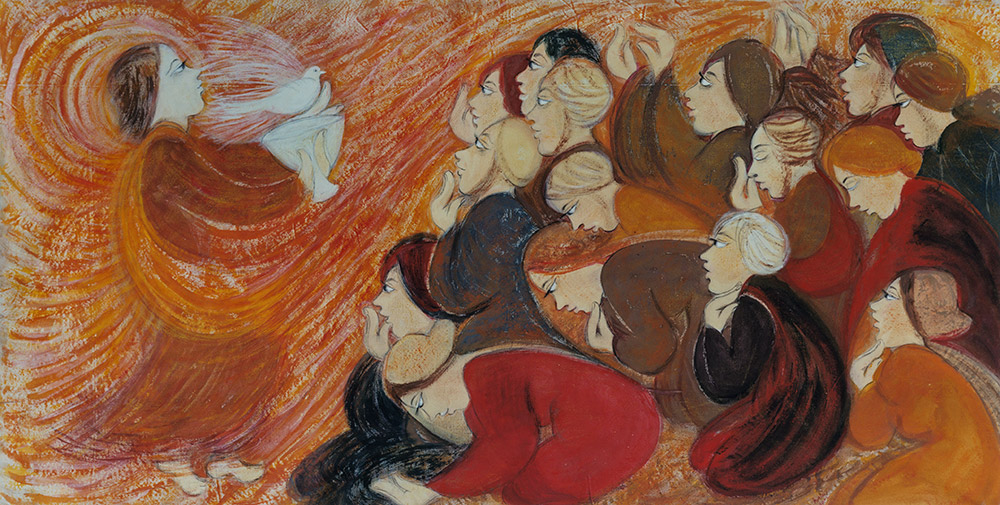
Jesus fulfills the Old Testament—not by discarding it, but by completing it.
After the Resurrection, He breathes on the apostles and says:
“Whose sins you forgive are forgiven. Whose sins you retain are retained.”
That’s responsibility. You can’t retain sins unless you know them. You can’t forgive sacramentally without authority.
What the Early Church Fathers Believed
The early Christians confessed sins openly. They reconciled through bishops and priests. There is no early Christian evidence of forgiveness floating free from the Church.
What the Catholic Saints and the Council of Trent Affirmed
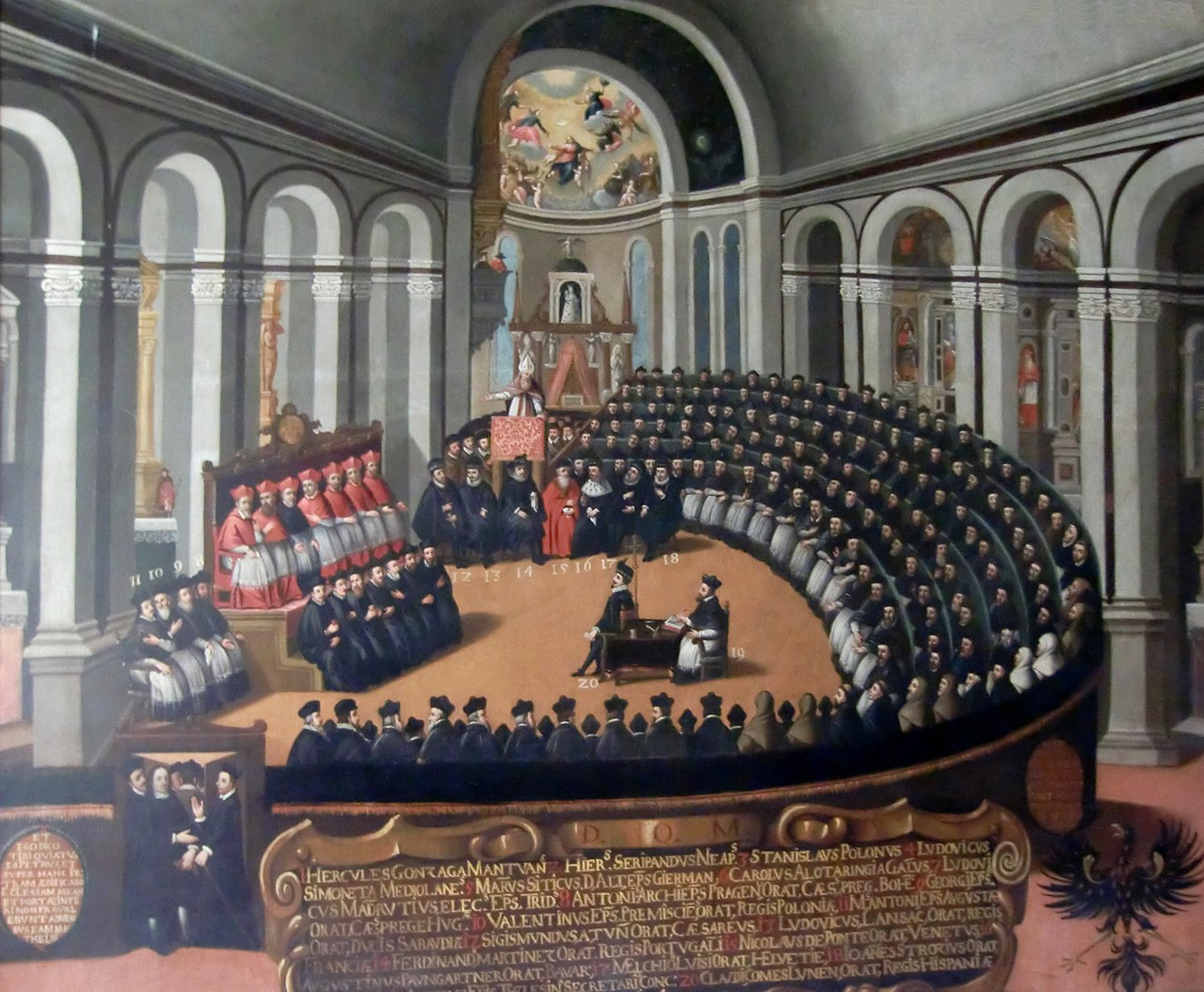
At the Council of Trent, the Church clarified what she had always believed: confession is divinely instituted, priests act in judgment and healing, Christ Himself established this authority.
So… In Whom Do You Put Your Trust?
The Catholic answer isn’t: “The priest.”
It’s: God—who chooses to forgive through the means He established.
Confession isn’t trusting men over God. It’s trusting God enough to accept His way.
Closing Prayer
Heavenly Father,
You are rich in mercy and slow to anger,
abounding in steadfast love and faithfulness.
Before You, no sin is hidden,
no wound unknown,
no heart beyond Your reach.
We thank You for not leaving us alone in our guilt,
for not asking us to save ourselves,
but for sending Your Son,
the Lamb who takes away the sins of the world.
Lord Jesus Christ,
You bore our sins in Your body upon the Cross.
You breathed Your Spirit upon the apostles
and entrusted to Your Church
the ministry of reconciliation.
Give us the humility to trust not in ourselves,
but in the mercy You offer through the means You established.
Holy Spirit,
light of truth and fire of love,
search our hearts,
uncover what we fear to name,
and give us the courage to step into the light.
Where sin has wounded us, bring healing.
Where shame has bound us, bring freedom.
Where pride resists grace, bring repentance.
Teach us, Lord,
to confess with honest hearts,
to receive forgiveness with childlike trust,
and to walk in newness of life.
May we never doubt that when Your Church speaks forgiveness,
it is Your own voice of mercy we hear.
We place our trust in You, O God—
not in our feelings,
not in our excuses,
not in our own righteousness—
but in Your promise,
Your authority,
and Your unfailing love.
We ask this through Christ our Lord,
who lives and reigns with You
in the unity of the Holy Spirit,
God forever and ever.
Amen.
Before You Go
If this reflection felt familiar—or healing—
❤️ Like this post so others can find it
🔔 Subscribe to stay connected
🔁 Share it with someone who’s heard this question before
And I invite you to read the earlier posts in the “In Whom Do You Put Your Trust?” series.
You’re not alone in these questions. And mercy is closer than you think.

 Posts
Posts


No comments:
Post a Comment